
Why Women Can’t Keep Female Friends
She’s had five “best friends” in eight years. Each one ended the same way — a slow fade, a betrayal, or an explosion she didn’t see coming. She blames them. Every time. But five fallen friendships have one common denominator — and it’s not the five friends.

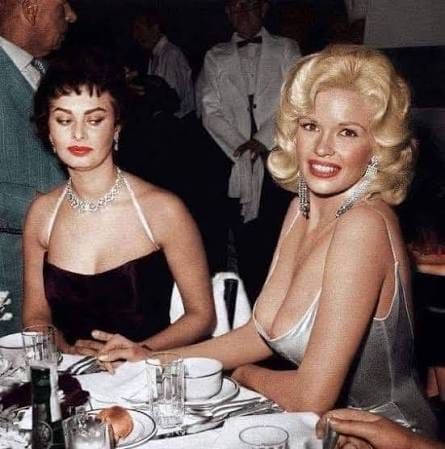
She’s had five “best friends” in eight years. Each one ended the same way — a slow fade, a betrayal, or an explosion she didn’t see coming. She blames them. Every time. But five fallen friendships have one common denominator — and it’s not the five friends.
Ask a woman about her closest female friendships and you’ll hear one of two stories.
Story one: “I have an amazing group of girls. We’re so close. We tell each other everything.” Give it 18 months. One of them will be exiled. Two will be talking behind the third’s back. The group photo will have a different lineup by next Christmas.
Story two: “I don’t really get along with women. Too much drama. I’m more of a guy’s girl.” Translation: she’s burned through so many female friendships that she’s given up on the gender entirely and now orbits male friend groups where the competition dynamic is less threatening.
Neither story is healthy. Both are common. And the reason women struggle to maintain female friendships — despite claiming to value them more than men value theirs — is rooted in a set of dynamics that nobody wants to name.
Women’s friendships are intense, conditional, and structurally fragile. And the forces that make them fragile are the same ones women refuse to examine.
The Intensity Problem
Female friendships start hot. Too hot.
Two women meet, click, and within weeks they’re sharing everything — childhood trauma, relationship details, sexual history, financial struggles, family secrets. The emotional intimacy accelerates to a level that male friendships take years to reach — if they ever reach it at all.
This intensity feels amazing initially. “I’ve never connected with someone like this.” “She just GETS me.” “We’re literally the same person.”
But intensity without foundation is a bomb with a short fuse.
The rapid emotional disclosure creates a false sense of depth. They didn’t build trust over time through shared experience, tested loyalty, and gradual vulnerability. They dumped their entire emotional inventory on each other in month one — and now each woman is holding ammunition she didn’t earn the right to carry.
When the friendship hits its first real conflict — and every friendship does — that ammunition gets used. The secrets she shared become weapons. The vulnerabilities she disclosed become leverage. The intimacy that felt like safety becomes the very thing that makes the betrayal so devastating.
Male friendships rarely experience this because men bond slowly through shared activity rather than shared disclosure. The emotional stakes stay low for years — which means the fallout from conflict stays low too. Women’s friendships go from zero to maximum vulnerability in weeks — which means the fallout from conflict is nuclear.
The pattern: Intense bonding → premature trust → inevitable conflict → weaponized intimacy → destroyed friendship. Repeat with the next “best friend.”
The Competition That Nobody Admits
We covered this in the sisterhood article, but it bears repeating in this context: female friendships are built on a foundation of covert competition that both parties pretend doesn’t exist.
Women compete with their friends on:
Appearance. She notices when her friend loses weight, gets a better haircut, or starts dressing better. The conscious response is “you look amazing!” The subconscious response is comparison — and comparison produces either motivation or resentment, depending on who’s winning.
Romantic success. When one friend gets a boyfriend, gets engaged, or gets married, the single friend’s response involves genuine happiness layered over involuntary comparison. “I’m so happy for you” is true. “Why not me?” is also true. Both coexist — and the second one erodes the friendship silently.
Career and lifestyle. The friend who gets promoted, buys a house, or takes a luxury vacation triggers the same comparison dynamic. Social media amplifies this by making every achievement public and permanent. She can’t just hear about her friend’s promotion — she has to see the LinkedIn post, the celebration dinner, the congratulations from people she also knows.
Children and family. The friend who has children enters a status category that childless friends can’t access. The mommy friend joins new social circles, develops new priorities, and acquires a form of social capital that the childless friend doesn’t have. The friendship doesn’t end — it just becomes unequal in a way that creates distance.
The critical difference between male and female competition: Men compete openly and move on. Two men can compete for the same promotion, one wins, and they play golf the next weekend. The competition doesn’t threaten the friendship because it was never hidden.
Women compete covertly and accumulate resentment. Two women competing for the same status — appearance, romantic success, career — never acknowledge the competition directly. It festers beneath the surface of performative support until it erupts in a conflict that seems disproportionate to its trigger — because the trigger wasn’t the real issue. The accumulated resentment was.
The Betrayal Economy
Female friendships run on information — and information is currency that gets spent, traded, and weaponized.
Secrets are social capital. The friend who knows your secrets has power. Not the kind she’ll use openly — but the kind that creates an implicit leverage dynamic. “I know things about you that could damage your reputation” is never said aloud. It doesn’t need to be. Both women understand the balance of power that mutual disclosure creates.
Gossip is the interest rate. Female friend groups process information about absent members constantly. She’s not in the room? She’s being discussed. Her relationship, her choices, her appearance, her behavior — all evaluated by the group without her input or defense. This isn’t occasional. It’s structural. It’s how female social groups process status, enforce norms, and manage hierarchies.
Betrayal is the withdrawal. When a female friendship ends, the departing friend takes the secrets with her — and often spends them. The ex-friend’s private information becomes public gossip. The vulnerabilities shared in confidence become ammunition used in social warfare. The deeper the friendship was, the more devastating the betrayal — because the depth of disclosure determined the quantity of ammunition.
Men’s friendships rarely involve this dynamic because men share less personal information. There’s less to weaponize. The emotional surface area of male friendship is smaller — which means the damage from its destruction is smaller too.
Why She Blames Everyone Else
The woman who’s cycled through multiple failed friendships almost always externalizes the blame.
“She was toxic.” “She was jealous.” “She changed.” “She betrayed me.”
After the first friendship failure, this might be true. After the fifth, the pattern demands self-examination. But self-examination requires admitting something painful: maybe she’s the difficult one.
What she won’t examine:
Her own jealousy. She felt competitive with her friend but never acknowledged it. The resentment accumulated silently until it manifested as passive-aggressive behavior that her friend eventually responded to — creating the conflict she then blamed the friend for starting.
Her own gossip. She participated in the same information trading she condemns. She discussed absent friends. She shared things she was told in confidence. She contributed to the very dynamic she claims to hate — because the social reward of gossip (bonding with the listener) outweighed the social cost (betraying the subject).
Her own unrealistic expectations. She expected her friends to be perfectly supportive, never competitive, always available, and endlessly affirming. When friends behaved like humans — flawed, distracted, occasionally selfish — she interpreted normal imperfection as betrayal.
Her own boundary failures. She shared too much too fast. She created intensity without foundation. She made herself vulnerable before trust was earned — then blamed the friend for handling that vulnerability imperfectly.
Her own intolerance for growth. When a friend’s life changes — new relationship, new career, new baby — the friendship dynamic shifts. The woman who can’t adapt to her friend’s evolution experiences the change as abandonment. “She changed” really means “she grew in a direction that doesn’t center me anymore.”
What Lasting Female Friendships Actually Require
The women who maintain decades-long friendships do specific things differently.
They bond slowly. Deep trust is earned through years of consistent behavior — not months of emotional dumping. The women with the strongest friendships disclosed gradually, tested loyalty incrementally, and built a foundation of shared experience before constructing the skyscraper of emotional intimacy.
They tolerate imperfection. Their friends forget birthdays, cancel plans, say the wrong thing, go through selfish phases, and occasionally disappoint. Instead of cataloging these failures as evidence of unworthiness, they extend the same grace they’d want for their own imperfections.
They celebrate without comparing. When their friend succeeds, they feel genuine joy — not joy mixed with “what about me?” This requires a level of self-security that many women never develop, because the culture rewards comparison rather than contentment.
They communicate directly. When something bothers them, they say it — to the friend, not about the friend. Direct communication prevents the accumulation of resentment that destroys friendships from the inside.
They don’t gossip about each other. The non-negotiable rule of lasting female friendship: what she tells you stays with you. Period. Not “stays with you unless you’re really upset.” Not “stays with you unless you’re talking to your other best friend.” Stays. With. You.
They allow growth. Their friends are allowed to change — to get married, have kids, switch careers, move cities, develop new interests — without it being interpreted as a personal rejection. They adapt to the friendship’s evolution rather than demanding it stay frozen in the version they liked best.
The Bottom Line
Women can’t keep female friends because the architecture of female friendship — rapid intimacy, covert competition, information-as-currency, and performative support — is structurally designed to collapse under stress.
The friendships that survive are the ones built on slow trust, direct communication, genuine celebration of each other’s success, and the revolutionary act of not gossiping about someone who trusts you.
Most women never build friendships this way. They build them fast, share too much too soon, compete silently, gossip freely, and wonder why the whole thing explodes every 18 months.
The woman who’s had five best friends in eight years doesn’t have bad luck. She has a pattern. And the pattern will repeat — with friend number six, seven, and eight — until she’s willing to examine the one variable that was present in every failed friendship:
Herself.
Why do female friendships fail so often? Is it competition, trust, or something deeper? The comments are open — and every woman has a story.