Why High-Value Men Avoid High-Maintenance Women
“High-value men” is one of the most searched dating terms online. But the women chasing them don’t realize: the men they want are actively filtering them out. Here’s why.

“High-value men” is one of the most searched dating terms online. But the women chasing them don’t realize: the men they want are actively filtering them out. Here’s why.
“High-value man” gets searched hundreds of thousands of times per month. Women want them. Podcasts dissect them. Dating coaches promise to help you attract them. The entire modern dating conversation revolves around what makes a man “high value” — and how women can lock one down.
But here’s what nobody discusses: high-value men have preferences too. And increasingly, those preferences are filtering out the exact women who chase them hardest.
The high-maintenance woman — demanding, high-expectation, checklist-driven, “know my worth” energy — is being quietly but consistently passed over by the men she wants most. Not because those men can’t afford her. But because they’ve decided she’s not worth the cost.
What Makes a Man “High Value”?
Before we get into the avoidance pattern, let’s define terms — because the internet has butchered this phrase beyond recognition.
“High-value man” on TikTok means: tall, rich, handsome, drives a luxury car, wears designer clothes, and posts aspirational content. That’s not high value. That’s high status. They’re not the same thing.
Genuinely high-value men — the ones women actually want to build a life with — share different traits:
Emotional intelligence. They can communicate, regulate their emotions, and navigate conflict without destruction.
Financial stability. Not necessarily wealthy — but responsible, building, and not living paycheck to paycheck.
Purpose and direction. They know what they’re building and they’re actively building it.
Self-respect. They have boundaries, standards, and the willingness to enforce both.
Character under pressure. They do the right thing when nobody’s watching and when it’s not easy.
These men are rare — not because the traits are superhuman, but because developing them requires years of intentional work. And that investment makes these men extremely protective of their time, energy, and peace.
Which brings us to why they avoid high-maintenance women.
What “High Maintenance” Actually Signals to High-Value Men
Women often wear “high maintenance” as a badge of pride. “I have high standards.” “I know my worth.” “If you can’t handle me at my worst, you don’t deserve me at my best.”
High-value men hear something very different:
“I will be expensive.” Not just financially — though that too. Emotionally expensive. Energetically expensive. A constant drain on time, attention, and peace. High-value men are building things — businesses, careers, legacies. They need a partner who adds energy, not one who constantly depletes it.
“My needs will always come first.” High maintenance often translates to self-centeredness disguised as self-worth. The woman who demands constant attention, elaborate dates, frequent gifts, and emotional labor without reciprocating equally isn’t “high value.” She’s high cost. And high-value men know the difference.
“Drama is inevitable.” High-maintenance women are associated — fairly or unfairly — with emotional volatility, manufactured conflict, and the need for constant stimulation. High-value men crave peace. The word men use most when describing their ideal relationship isn’t “passion” or “excitement.” It’s “peace.” High maintenance is the opposite of peace.
“This is transactional.” When a woman leads with what she requires — the income level, the gift frequency, the lifestyle standard — she’s broadcasting that the relationship is a transaction. High-value men want partners, not contracts. They want someone who’s with them because of who they are, not what they provide.
The “Sprinkle Sprinkle” Effect
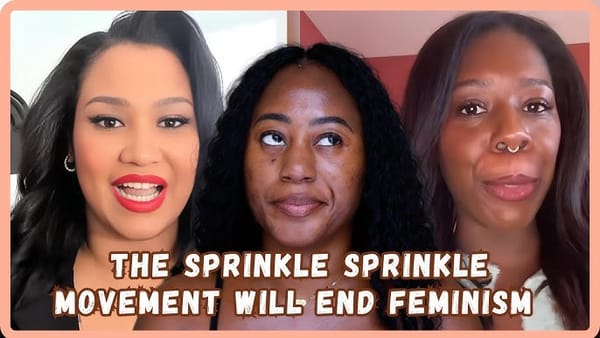
The “sprinkle sprinkle” movement — where women were coached to extract maximum financial benefit from men — did more damage to women’s dating prospects than any manosphere content ever could.
High-value men watched these videos. They noted which women shared them approvingly. And they adjusted their filters accordingly.
A woman who publicly endorses “sprinkle sprinkle” philosophy is telling every high-value man: “I view you as a resource to be extracted from.” That’s not a relationship pitch. That’s a business proposition. And high-value men — who have actual business experience — know a bad deal when they see one.
The Soft Guy Era was the satirical response, but the real response was quieter: high-value men simply stopped engaging with women who displayed extraction mindsets. No argument. No debate. Just a silent filter that removed those women from consideration.
The women posting “sprinkle sprinkle” content weren’t attracting high-value men. They were attracting men willing to pay for access — which is a very different category.
What High-Value Men Actually Want
The Hinge 2025 report found that 65% of Gen Z men want deep, meaningful conversations early in dating. The men with the most options — the high-value ones — are even more selective about emotional depth.
Here’s what high-value men consistently prioritize:
Low drama. They’ve built their lives around eliminating chaos. A partner who introduces chaos — through jealousy, social media arguments, public scenes, or manufactured tests — is incompatible with the life they’ve designed.
Genuine support. Not performative cheerleading. Real, substantive support — understanding their goals, respecting their time, contributing meaningfully to their vision. A woman who says “I believe in you” and means it is more attractive than one who says “What can you buy me?”
Physical attraction with femininity. High-value men want a woman they’re physically attracted to who also brings feminine energy — warmth, softness, nurturing, receptivity. Not submission. Not passivity. Feminine energy is an active, powerful force. It just expresses power differently than masculine energy.
Intellectual compatibility. They want someone they can talk to. Really talk to — about ideas, plans, problems, dreams. A woman who can engage with his world at a substantive level is exponentially more attractive than one who looks perfect but adds nothing to the conversation.
Independence without walls. They want a woman who has her own life, interests, and identity — but who is also genuinely available for partnership. Independent enough to not be needy. Open enough to not be unreachable.
Loyalty that’s been tested. High-value men know their worth. They know other men will pursue their partner. They need a woman whose loyalty isn’t conditional on who else is offering attention. Loyalty under temptation is the only loyalty that counts.
The “High Value Woman” Delusion
Social media created a female counterpart to the “high-value man” — the “high-value woman.” But the internet’s definition is completely disconnected from what men actually value.
The internet’s “high-value woman”: Physically stunning, financially independent, high-status career, extensive travel history, sophisticated taste, large social following, “knows her worth,” refuses to settle.
What high-value men actually consider a “high-value woman”: Kind, loyal, emotionally stable, genuinely supportive, feminine, low drama, good character, brings peace to his life, and treats the relationship as a partnership rather than a negotiation.
Notice the disconnect? The traits women are told to cultivate to attract high-value men — career dominance, financial independence, refusal to compromise — are not what those men prioritize. They respect those traits. They admire them professionally. But they don’t select for them romantically.
The woman who’s a VP at a tech company with a perfect Instagram and a zero-tolerance policy for anything less than perfection? She’s impressive. She’s also exhausting to date. The woman who’s a schoolteacher with a warm smile, a kind heart, and the ability to make him feel like he can exhale when he walks through the door? She gets chosen.
High-value men don’t select for status. They select for peace.
Why This Makes Women Furious
This truth generates more anger than almost any other dating topic — because it challenges a narrative women have been sold for a decade.
The narrative: “Level up. Build your empire. Become so successful that only the best men can match you.”
The reality: The best men aren’t matching based on your success metrics. They’re matching based on how you make them feel.
This doesn’t mean women shouldn’t pursue success. Success is its own reward. But pursuing success as a dating strategy to attract high-value men is a miscalculation. You’re optimizing for variables those men don’t prioritize.
The anger comes from a sense of betrayal: “I did everything right — got the degree, built the career, leveled up — and the men I want are choosing the ‘basic’ girl who just makes them feel good?”
Yes. Because “feeling good” isn’t basic. It’s the most valuable thing a partner can offer. And it has nothing to do with your resume.
The Market Is Correcting
The dating market is a market. And like all markets, it corrects.
For years, women were told that increasing their status would increase their romantic options. For men, that’s true — male status directly correlates with romantic desirability. But the same logic doesn’t transfer symmetrically to women, because men and women select for different things.
The correction is happening now. Women who invested exclusively in status are discovering diminishing romantic returns. Women who invested in character, warmth, and partnership skills are finding that their value has increased — because the supply of those traits has decreased while demand has skyrocketed.
High-value men aren’t avoiding high-maintenance women out of spite. They’re avoiding them because they have options — and they’re using those options to select for peace, partnership, and genuine connection.
The women who understand this are getting chosen. The women who don’t are writing think pieces about how there are “no good men left.”
The good men are right there. They’re just not choosing you. And until you understand why, that won’t change.
Are high-value men right to avoid high-maintenance women? Or are they just intimidated by strong women? The comments are open — bring your best take.