The Girl Who Says “I Hate Drama” Is Always the Source of It
“I’m so drama-free.” She says this at least twice a week — usually right before or right after creating the exact chaos she claims to despise. The loudest declaration of peace is always made by the person most at war.

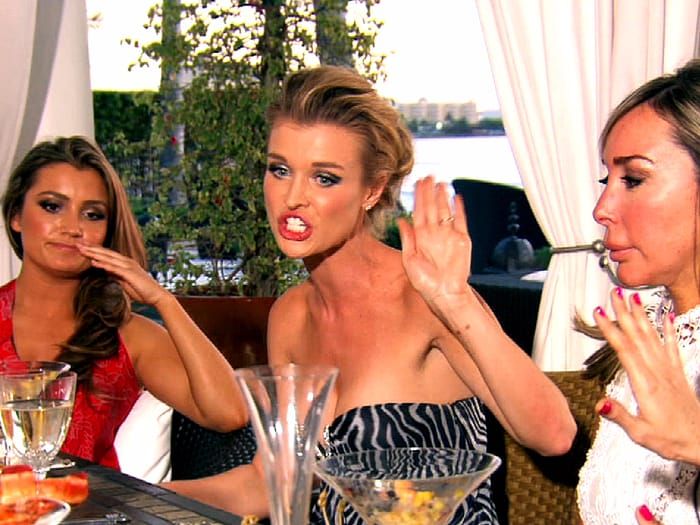
“I’m so drama-free.” She says this at least twice a week — usually right before or right after creating the exact chaos she claims to despise. The loudest declaration of peace is always made by the person most at war.
“Ugh, I HATE drama.”
She says it while texting screenshots of a private conversation to three different people. She says it while subtweeting someone who’ll definitely see it. She says it while recapping a conflict she was 100% involved in starting — but presenting herself as the innocent bystander who was just “caught in the middle.”
The woman who announces she hates drama is the woman producing it. Every single time.
This isn’t a coincidence. It’s a pattern — and the pattern has a specific psychological function.
“I hate drama” is a preemptive defense. She knows drama follows her. She knows her name appears in conflicts more than it should. By declaring hatred of drama before the next episode starts, she positions herself as the victim of circumstances rather than the architect of them. When the inevitable blowup occurs, she can point to the declaration: “See? I HATE this. It keeps happening TO me.”
It doesn’t happen to her. It happens BECAUSE of her. The difference is everything.
How the “I hate drama” girl actually operates:
She shares information strategically — telling Person A what Person B said, then telling Person B she was “just looking out for them.” The conflict that erupts was engineered by her information transfer, but she stands outside it with clean hands and a confused expression.
She provokes through plausible deniability. The backhanded compliment. The “innocent” observation that she knows will trigger someone. The question that’s actually an accusation. Everything is designed to create a reaction — while maintaining the appearance of neutrality.
She triangulates. Instead of addressing a problem with someone directly, she involves a third party — creating a coalition, gathering allies, and transforming a two-person disagreement into a group event. More participants means more drama. More drama means more attention. More attention is the actual goal.
She rewrites history. After every conflict she participates in, she tells a version of events where she did nothing wrong and the other person is entirely at fault. The retelling is so consistent and so confident that people believe her — even when they witnessed a different reality.
The tell is the frequency. Everyone encounters drama occasionally. Workplace conflicts, family tension, friend group disagreements — these happen. But the woman who’s involved in drama every month, with different people, in different contexts? She’s not unlucky. She’s the common denominator.
“I hate drama” is the most reliable predictor of drama you’ll ever hear. The woman who’s genuinely drama-free doesn’t need to announce it. She just lives quietly — resolving conflicts privately, communicating directly, and maintaining relationships without the constant soundtrack of chaos.
The woman who says “I hate drama” is telling you exactly who she is. Believe her — just not the way she intended.
Is “I hate drama” always a red flag? Comments are open.