The Death of Chivalry: Why Men Stopped Being Gentlemen
Men used to open doors, pay for dates, and protect women instinctively. Now they don't. Women blame masculinity. The real reason is simpler - and more uncomfortable.


Men used to open doors, pay for dates, and protect women instinctively. Now they don’t. Women blame masculinity. The real reason is simpler — and more uncomfortable.
Chivalry is dead. Men stopped opening doors. They stopped paying for every date. They stopped offering their jacket when it’s cold. They stopped walking on the street side of the sidewalk. They stopped the small, instinctive acts of care that defined gentlemanly behavior for generations.
And women are furious about it.
But before blaming men for killing chivalry, maybe ask the harder question: who made chivalry irrational?
Because men didn’t abandon chivalry out of laziness. They abandoned it because the culture told them to — and then got angry when they listened.
What Chivalry Actually Was
Chivalry originated as a medieval code of conduct for knights — honor, service, protection of the weak, courtesy toward women. Over centuries, it evolved into a social contract between men and women:
Men provide and protect. They open doors, pay for meals, offer physical safety, carry heavy things, make the first move, and absorb risk on behalf of women.
Women appreciate and reciprocate. They acknowledge the effort, respect the provider role, offer warmth and femininity, and create a home environment worth protecting.
It wasn’t perfect. It was rooted in a power dynamic that limited women’s independence. But it worked — as a social lubrication that made interactions between men and women smoother, warmer, and more cooperative.
Chivalry wasn’t about men being superior. It was about men choosing to bear costs on behalf of women as an expression of care. And it required something modern culture has destroyed: gratitude from the receiving end.
How Feminism Killed Chivalry (And Why That Was Partly Necessary)
Let’s be honest about the timeline.
First and second-wave feminism fought for voting rights, workplace equality, and legal protections. These were necessary, overdue, and morally correct. Nothing in this article disputes that.
Third and fourth-wave feminism shifted the target from legal inequality to cultural norms — including chivalry. The argument: chivalry is benevolent sexism. Opening a door for a woman implies she can’t open it herself. Paying for dinner implies she can’t afford it. Protecting her implies she’s weak.
The logic was internally consistent. If men and women are truly equal, then gendered courtesies are patronizing. Fair enough.
But here’s what the ideology missed: you can’t dismantle the obligation without losing the behavior.
Feminism told men: “Stop treating us differently. We’re not damsels. We don’t need your protection, your money, or your doors held open. Treat us as equals.”
Men said: “OK.”
And now women are asking: “Why don’t men do nice things for us anymore?”
Because you told them to stop. And unlike what the internet suggests, men actually listen.
The “Equal When Convenient” Problem
The death of chivalry exposed a contradiction that modern dating culture still hasn’t resolved:
Women want equality in rights and chivalry in dating. They want to split the boardroom but not the dinner check. They want to be treated as equals at work and as princesses on Friday night. They want men to “lead” romantically but never assume leadership in any other context.
This isn’t all women — but it’s enough of them to create a cultural signal that men have received clearly: the rules change depending on what benefits her in the moment.
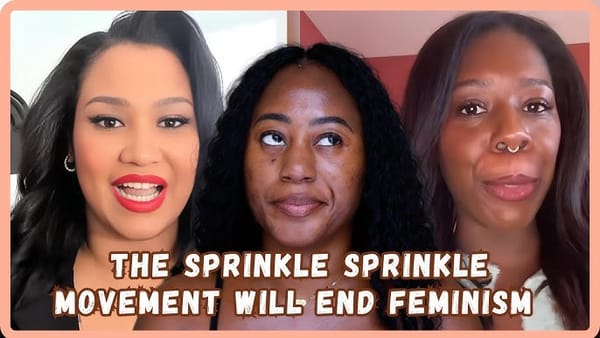
The Soft Guy Era was a satirical response to exactly this. When men mirrored women’s “sprinkle sprinkle” expectations back at them, the outrage revealed the double standard. “A man should provide” and “gender roles are oppressive” cannot coexist. Chivalry is a gender role. You either want gender roles or you don’t.
Men noticed the inconsistency. And they responded by defaulting to equality across the board — including in the areas where women preferred the old rules.
Why Men Stopped Paying for Dates
The most visible death of chivalry is the dinner check. Men increasingly split bills, suggest casual first dates (coffee, walks), or alternate who pays.
Women interpret this as cheapness. Men see it as rational behavior driven by several factors:
Financial self-preservation. A man going on 2-3 first dates per month at $75-150 per date is spending $150-450 monthly on women he may never see again. In an era of stagnant wages and rising costs, that’s not sustainable — especially when 80% of those dates don’t lead to a second.
Filtering for genuine interest. A woman who’s offended by splitting the check on a first date is signaling that the man’s financial contribution matters more than his company. That’s valuable information. Men who split the check aren’t being cheap — they’re testing whether she’s there for him or for the free dinner.
The “foodie call” phenomenon. Research has documented women going on dates specifically for free meals — with no intention of romantic interest. When this behavior is common enough to have a name, men’s reluctance to pay becomes rational self-defense, not rudeness.
Equality cuts both ways. Women now out-earn men in many demographics. Female homeownership among singles exceeds male homeownership. If women are financially equal or superior, the expectation that men must pay becomes logically incoherent.
Men didn’t stop paying because they’re broke or stingy. They stopped paying because the social contract that made paying meaningful — appreciation, reciprocity, respect for the provider role — was unilaterally dissolved.
The Door-Holding Dilemma
Something as simple as holding a door has become a minefield.
Hold the door and she smiles? Gentleman. Hold the door and she’s a feminist? Patronizing. Don’t hold the door? Rude. Hold the door for too long? Creepy.
Men can’t win. So many stopped trying.
This micro-example illustrates the larger dynamic. Every chivalrous act now requires men to accurately predict how it will be received — based on the individual woman’s beliefs, mood, and ideological framework. The same behavior that gets you a “thank you” from one woman gets you a lecture from another.
When the feedback is unpredictable and the downside is confrontation, the rational strategy is to do nothing. Not because men don’t want to be courteous — but because courtesy has become a coin flip where tails means conflict.
What Men Replaced Chivalry With
Chivalry isn’t gone. It evolved. Men didn’t stop caring — they started being selective about who gets their care.
Strategic chivalry. Men are still chivalrous — but only toward women who appreciate it. The woman who lights up when he opens the door gets every door opened forever. The woman who rolls her eyes gets treated like a colleague. Men learned to read the room and adjust accordingly.
Acts of service over performative gestures. Modern men show care differently. Instead of flowers and paid dinners, they fix your laptop, drive you to the airport at 5 AM, research the best doctor for your symptoms, and remember the specific snack you mentioned liking three weeks ago. These aren’t Instagram-worthy gestures. They’re useful ones. And many women miss them entirely because they don’t look like the chivalry they were taught to expect.
Reciprocity-based generosity. Men are generous with women who are generous back. The old chivalry was unconditional — men gave regardless of return. The new version is conditional — men invest proportionally to what they receive. This feels “transactional” to women who are used to unconditional male generosity. To men, it feels fair.
Selective protectiveness. Men still have protective instincts. They still walk their partners to the car at night, check that she got home safe, and step between her and a threat. But they reserve this for women they’re committed to — not strangers, not first dates, not women who’ve told them their protection isn’t wanted.
Chivalry didn’t die. It became earned rather than automatic.
The Women Who Still Get Chivalry
Here’s the part that makes people uncomfortable: chivalry isn’t dead for all women. Just some.
Women who express genuine appreciation for masculine gestures still receive them. Women who bring warmth, femininity, and reciprocity to relationships still experience doors held, meals paid for, and protective care.
Traditional women — women who embrace complementary gender dynamics without viewing them as oppressive — report having no trouble finding chivalrous men. Because those women create an environment where chivalry makes sense. They appreciate it, acknowledge it, and reciprocate with their own contributions.
The women who lost chivalry are the ones who simultaneously demanded it and demeaned it. Who wanted the door held but mocked the hand that held it. Who wanted dinner paid for but posted “I don’t need a man” the next morning.
Men read energy. They always have. And they direct their effort where it’s welcomed and withdraw it where it’s punished.
Can Chivalry Come Back?
Not in its old form. The unconditional, one-directional generosity of traditional chivalry required a social contract that no longer exists. Men can’t be expected to bear all the costs of courtship in a culture that offers them none of the traditional benefits.
But a new chivalry — based on mutual respect, reciprocity, and earned investment — is already emerging.
In this model, both partners are generous. Both partners show care through actions. Both partners protect each other’s peace. And neither partner keeps score — because the giving feels good, not obligatory.
This new chivalry doesn’t have a gender. It has a standard: treat your partner the way you want to be treated, and choose a partner who does the same.
That’s not as romantic as a knight on a white horse. But it’s more sustainable. And it works for both sides.
The Bottom Line on Why Men Stopped Being Gentlemen
Men stopped performing chivalry because the audience stopped applauding.
They were told their courtesies were patronizing. Their protection was unnecessary. Their provision was expected but not respected. And their efforts were mocked by the same culture that demanded them.
So they stopped. Not because they’re incapable of kindness — but because kindness without appreciation is just labor. And men are done working for free.
Want chivalry back? Start by making it worthwhile again. Appreciate the man who holds the door. Thank the man who pays for dinner. Acknowledge the man who walks you to your car.
Gratitude is the currency chivalry runs on. And right now, the account is empty.
Is chivalry dead for good? Should men bring it back, or is the new “equal” approach better? Drop your thoughts below — every perspective matters.