
She Keeps You Around for Validation — Not Because She Wants You
He thinks he’s getting closer. She knows he’s not going anywhere. He’s not her future boyfriend — he’s her self-esteem subscription. Free of charge, auto-renewed every time he likes her photo. Here’s how to recognize when you’re a validation source, not a romantic prospect.

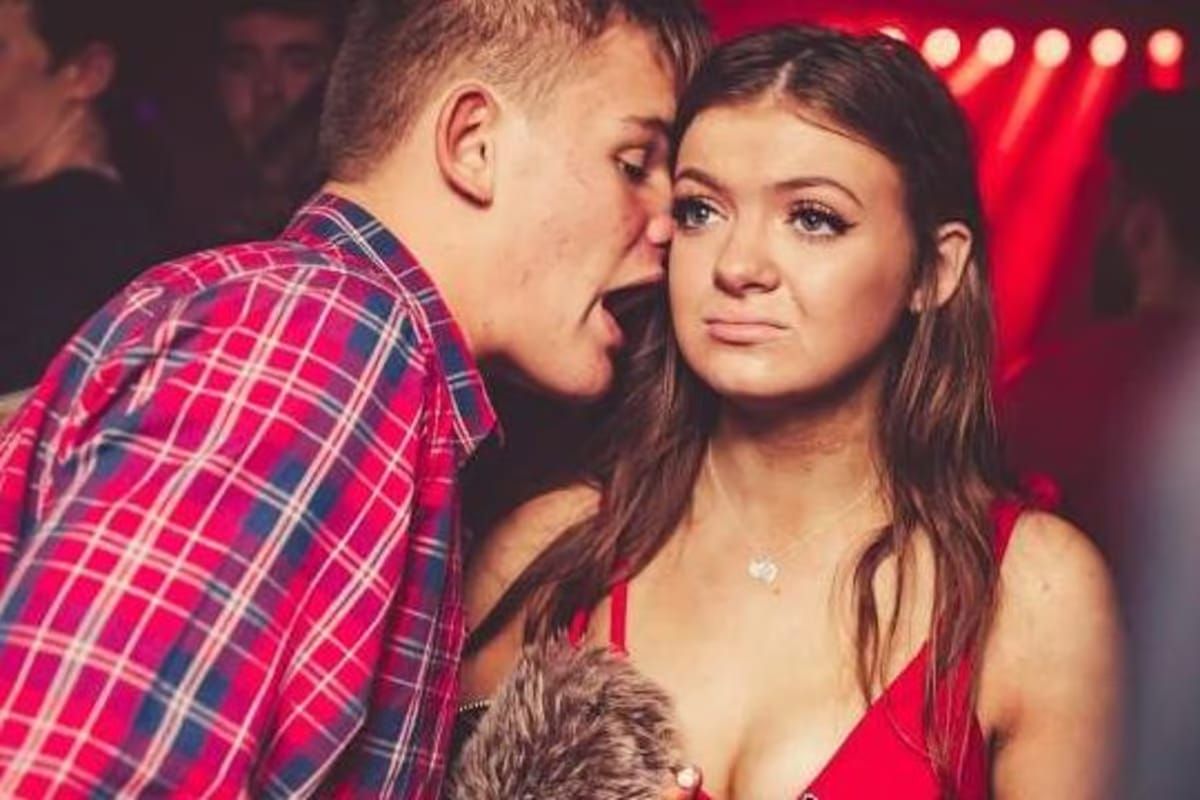
He thinks he’s getting closer. She knows he’s not going anywhere. He’s not her future boyfriend — he’s her self-esteem subscription. Free of charge, auto-renewed every time he likes her photo. Here’s how to recognize when you’re a validation source, not a romantic prospect.
He’s been in her orbit for eight months.
He comments on every photo. She hearts the comment. He sends her reels that remind him of her. She responds with “lol you get me.” He suggests hanging out. She says “definitely, let’s plan something” — then never follows up. He texts on a random Tuesday. She responds warmly at 11 PM when she’s bored and alone.
He thinks this is building toward something. He’s reading the warmth as interest. The engagement as investment. The late-night responses as intimacy. The “you get me” as connection.
It’s none of those things. He’s a validation dispenser. And she’s pressing the button whenever her self-esteem runs low.
She doesn’t want him. She wants what he provides — the consistent, unconditional confirmation that she is desirable, interesting, and valued. His attention is a mirror that always reflects her best self back to her. And mirrors don’t get promoted to boyfriend. They stay on the wall.
The Validation Economy
Every woman with a phone operates a validation economy — a network of male attention sources that supply the emotional input she needs to feel good about herself. The economy has tiers.
Tier 1: The boyfriend (or the man she actually wants). He provides the primary validation — physical intimacy, commitment, public acknowledgment. His validation carries the most weight because it’s the most scarce and the most earned.
Tier 2: The orbiters. These are the men who provide supplementary validation — the consistent attention that fills the gaps between what the primary source provides. They like her photos. They respond to her stories. They check in. They compliment. They’re available. They’re reliable. And they’re never going to be promoted to Tier 1.
Tier 3: The strangers. Random men in DMs, at bars, on the street. Their validation is low-quality but high-volume. A catcall she pretends to hate but secretly catalogues. A DM from a stranger she’ll never respond to but never blocks. Stranger validation is junk food — not nutritious but satisfying in the moment.
The man reading this article is Tier 2. He thinks he’s building toward Tier 1. He’s not. The tiers aren’t a ladder. They’re categories. And she decided which category he belongs to within the first two weeks of knowing him. Everything since then has been her managing the resource — keeping him engaged enough to keep providing, without ever giving him enough to realize he’s being used.
How She Keeps Him Dispensing
The validation extraction isn’t random. It follows specific behavioral patterns designed to maintain his investment at minimum cost to her.
The breadcrumb schedule. She doesn’t respond consistently — that would signal either interest (too much) or disinterest (he’d leave). Instead, she responds intermittently. Warm one day, distant the next. Engaging one week, silent the next. The intermittent schedule creates the exact dopamine pattern that keeps him checking his phone — the same psychological mechanism that makes slot machines addictive.
The intimacy illusion. She shares just enough personal information to create a feeling of closeness. A story about her childhood. A frustration about work. A vulnerability about her insecurities. He receives these disclosures as trust-building. They’re not. They’re currency — exchanged for his continued emotional investment. She’d share the same stories with her Uber driver if the Uber driver provided reliable validation.
The future tease. “We should hang out sometime.” “I’d love to try that restaurant with you.” “Maybe this summer.” Every future reference keeps him invested in a timeline that never arrives. She’s not lying exactly — in the moment, “sometime” feels real. But “sometime” never becomes “Saturday.” And he never notices the pattern because each individual tease sounds like progress.
The crisis call. When she’s having a bad day — fight with a friend, stress at work, another man didn’t text back — she reaches out to him. Not because he’s the person she wants comfort from. Because he’s the person who will always provide it. He’s the emotional emergency service. Available 24/7. No co-pay. No limit on claims.
He interprets the crisis call as intimacy — “she trusts me with her real feelings.” She interprets it as utility — “he’s always there when I need someone.” The gap between these interpretations is where his time disappears.
The strategic jealousy. She mentions other men — casually, in passing — and watches his reaction. The guy from the gym. The coworker who asked her to lunch. The ex who’s “been reaching out.” She’s not informing him. She’s testing his emotional investment. His jealousy confirms his attachment. His attachment confirms her value. His value confirmation refills her self-esteem tank. Transaction complete.
The Signs You’re a Validation Source
She responds but never initiates. Count the conversations she started in the last month. If the number is zero — or close to it — you’re not a priority. You’re a resource she accesses when needed.
She engages digitally but avoids in person. She’ll text for hours but cancel every plan. She’ll send voice notes but never suggest meeting. The digital engagement is cost-free validation. In-person interaction carries the risk of him escalating — which she doesn’t want because she doesn’t want him. The screen is her boundary. If the relationship lives entirely on her phone, it’s not a relationship. It’s a subscription.
Her energy spikes when she needs something. She’s distant for two weeks, then suddenly warm and engaged. The spike correlates with something in her life — a breakup, a bad date, a fight with a friend, a self-esteem dip. She’s not reconnecting because she misses him. She’s refilling because she’s empty. Once refilled, the distance returns.
She introduces him as her “friend” with emphasis. When other people are present, she makes his category clear — explicitly and early. “This is my friend Robert.” The emphasis on “friend” isn’t for his benefit. It’s for the audience’s. She’s establishing publicly what she’s decided privately: he’s not a romantic prospect. Everyone knows except him.
She accepts his investment without matching it. He buys dinner. She says thanks. He plans an outing. She shows up but doesn’t reciprocate. He remembers her birthday. She texts “thanks boo” and doesn’t remember his. The ledger is entirely one-sided. And the imbalance isn’t accidental — it’s the operating model.
She talks about other men’s attractiveness around him. If she’s comfortable describing another man as “fine” or discussing her dating life in detail in front of him, she’s not worried about his feelings — because his feelings as a romantic interest don’t exist in her framework. He’s a girlfriend with a deeper voice. A confidant she’ll never sleep with. A safe space she accesses for free.
Why He Stays
The man being used for validation stays for reasons that are painful to examine but necessary to understand.
Scarcity mindset. Her intermittent warmth is more female attention than he receives from any other source. Losing her — even as a validation client — feels like losing his only connection to feminine energy. The breadcrumbs feel like a meal because he’s starving.
Hope addiction. Every warm response reignites the hope that this time, things are shifting. “She said ‘you get me.’ That’s different from last time. She’s coming around.” He’s reading signs that aren’t there — because the alternative (accepting there’s nothing to read) is too painful.
Sunk cost. Eight months. Dozens of dinners. Hundreds of texts. Thousands of emotional calories invested. Walking away means accepting that all of it was wasted. So he stays — adding to the sunk cost while hoping the return is coming. It’s not.
He doesn’t know what genuine interest looks like. If he’s never experienced a woman who’s actually interested in him — who initiates, who plans, who escalates, who makes time, who’s enthusiastic — he has no baseline for comparison. Her lukewarm management feels normal because he’s never experienced warmth.
What Genuine Interest Actually Looks Like
The contrast is the education. A woman who genuinely wants a man behaves nothing like a woman who’s keeping him for validation.
She initiates. Texts first. Suggests plans. Reaches out without a reason. A woman who wants you doesn’t wait for you to open the door. She’s already knocking.
She makes time. Not “sometime.” Not “maybe next week.” “Saturday. 7 PM. I’ll be there.” The woman who wants you treats your time as valuable — because she wants to spend hers with you.
She’s consistent. Same energy Monday as Saturday. Same warmth in person as over text. No hot-and-cold cycles. No breadcrumb schedules. Consistency is the most underrated signal of genuine interest — and the one validation-seeking women can never replicate, because consistency requires real investment.
She escalates. She touches your arm. She sits close. She finds excuses for physical proximity. She introduces you to her friends — as someone significant, not as “my friend.” She integrates you into her life because she wants you IN her life, not orbiting it.
She doesn’t mention other men. A woman who wants you protects your comfort — she doesn’t test it. She doesn’t mention the gym guy. She doesn’t reference the ex. She doesn’t strategically trigger jealousy. Your security matters to her because your feelings matter to her.
She matches your investment. If you buy dinner, she cooks next time. If you plan Monday, she plans Thursday. If you send a paragraph, she sends one back. The investment is balanced — not because she’s scorekeeping, but because she genuinely wants to contribute to something she values.
If you’re not experiencing any of these, you’re not in a developing relationship. You’re in a validation farm. And you’re the crop.
How to Exit
Name it. “I have feelings for you. Are you interested in me romantically — yes or no?” The directness feels terrifying. It’s also liberating. Her answer — or her evasion of the answer — tells you everything.
Accept the answer. If she says no, leaves, hedges, or deflects — that’s your answer. Not “maybe later.” Not “she needs time.” No. Accept it. Grieve the fantasy. And redirect.
Cut contact completely. You cannot be friends with a woman you want romantically who doesn’t want you back. The friendship is a lie — it serves her (continued validation) and destroys you (continued hope). Clean break. No follow. No like. No response. Complete removal.
Redirect the investment. The time, money, energy, and emotional bandwidth you were pouring into her validation account goes back into YOUR account. Gym. Career. Skills. Social circle. Purpose. Every unit of investment redirected toward yourself produces compound returns that her validation never will.
Learn the lesson permanently. A woman who wants you makes it obvious. A woman who keeps you for validation makes it confusing. Confusion is the signal. If you’re constantly trying to decode her behavior, interpret her texts, and figure out “where you stand” — you already know where you stand. You just don’t want to accept it.
The Bottom Line
She keeps him around for validation because his unconditional attention fills a self-esteem deficit she won’t address internally. He stays because he mistakes her usage for interest and her breadcrumbs for progress.
She doesn’t want him. She wants what he provides — the reliable, risk-free, always-available mirror that tells her she’s desirable without requiring her to desire him back.
The man who recognizes this dynamic and walks away isn’t losing a relationship. He’s reclaiming the time, energy, and self-respect he’s been donating to a woman who was never going to reciprocate.
She’ll notice when he stops. She always does. Not because she wants him — but because the validation supply just went offline.
And for the first time, she’ll have to find it somewhere else. Or — and this is the part she’s most afraid of — find it in herself.
How do you know if she wants you or just your validation? Comments are open — every man has been the orbiter at least once.