She Chose the Bad Boy. Now She Wants the “Nice Guy” She Rejected
She spent her 20s chasing excitement, toxicity, and men who treated her like an option. Now she’s 32, tired, and looking for the stable man she friendzoned at 24. There’s one problem — he moved on. And he’s not coming back.

She spent her 20s chasing excitement, toxicity, and men who treated her like an option. Now she’s 32, tired, and looking for the stable man she friendzoned at 24. There’s one problem — he moved on. And he’s not coming back.
Every man knows this woman.
She was 23, gorgeous, and drowning in options. The nice guy at her job asked her to dinner. He was kind, stable, employed, consistent, and genuinely interested in building something real. She told him she “wasn’t ready for anything serious.”
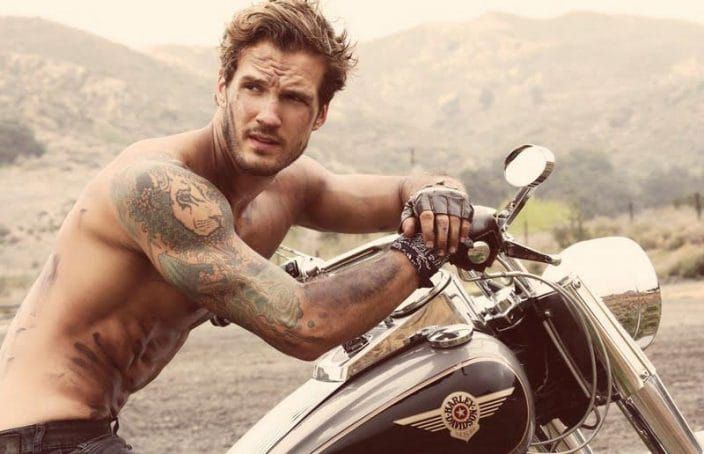
That same week, she went home with the guy from the club who had a neck tattoo, no savings, and a rotation of four other women. He was exciting. He was dangerous. He gave her butterflies — the kind that come from uncertainty, not love.
The nice guy waited. Orbited. Hoped. Eventually, he stopped texting and moved on.
Fast forward nine years. She’s 32. The bad boy was exactly what the label said — bad. He cheated. He was emotionally unavailable. He wasted her prime years with a situationship that went nowhere. Or maybe there were three bad boys, or five. The details change. The pattern doesn’t.
Now she wants what she rejected at 23: stability. Commitment. A man who actually shows up.
There’s just one problem. The nice guy she dismissed? He spent nine years building himself. He hit the gym. He grew his career. He traveled. He developed confidence. He’s 33 now with a six-figure income, a full life, and options he didn’t have at 24.
And he’s dating a 25-year-old who treats him like a priority. Not a backup plan.
He’s not coming back. And she has nobody to blame but herself.
Why Women Choose Bad Boys
This pattern is so universal it’s practically a law of nature. And the reasons are rooted in biology, not logic.
Excitement triggers dopamine. Bad boys are unpredictable. Will he text back? Will he commit? Is he seeing someone else? This uncertainty triggers the same dopamine response as gambling — intermittent reinforcement. The emotional highs and lows feel like passion. They’re not. They’re anxiety rebranded as attraction.
Danger signals genetic fitness. Evolutionary psychology suggests women are drawn to dominant, risk-taking men because those traits historically signaled strong genes. The man who takes risks, displays physical dominance, and doesn’t follow rules signals a genetic profile that — in ancestral environments — meant better survival odds for offspring. The logic doesn’t apply in modern society, but the instinct doesn’t know that.
Nice is boring. Stability is invisible. A man who texts back consistently, plans dates reliably, and treats her well doesn’t create emotional spikes. He creates comfort. And comfort, to a 23-year-old with endless options, feels like settling. She doesn’t want a warm bath. She wants a rollercoaster. The warm bath starts looking appealing at 32 — but by then, the bath has been claimed by someone who appreciated it earlier.
Social proof favors bad boys. The man who has multiple women, who doesn’t chase, who seems unattainable — he carries social proof that the nice guy doesn’t. Women want what other women want. The nice guy’s availability is read as low value. The bad boy’s unavailability is read as high value. The perception is backwards, but it drives behavior.
The sisterhood enables it. Her friends encouraged the bad boy phase. “Have fun while you’re young!” “Don’t settle down too early!” “You deserve excitement!” Nobody told her that “fun” has a shelf life and that the stable men she’s dismissing won’t be available when the fun stops being fun.
The Nice Guy’s Transformation
Here’s the part women don’t see coming: the nice guy doesn’t stay the nice guy.
The man she rejected at 24 took the rejection as data. He didn’t become bitter — he became better. And the journey from “dismissed nice guy” to “man with options” follows a predictable path:
Phase 1: Pain. He feels the rejection deeply. He wonders what’s wrong with him. He watches her choose men who treat her worse than he would have. It hurts.
Phase 2: Redirection. He channels the pain into self-improvement. Gym membership. Career focus. New hobbies. Travel. He stops orbiting women who don’t want him and starts investing in himself.
Phase 3: Results. His body changes. His income grows. His confidence develops — not the performed confidence of his 20s, but the earned confidence of a man who’s built something. Women start noticing him in ways they never did before.
Phase 4: Options. By his early-to-mid 30s, he has what he never had at 24 — genuine options. Younger women find him attractive. Women his own age are suddenly interested. The dating market that ignored him a decade ago now actively pursues him.
Phase 5: Selection. With options comes selectivity. And the man who was dismissed for being “too nice” or “too available” now selects with the same ruthlessness that was used on him. He doesn’t choose the woman who rejected him at 24 and is now “ready” at 32. He chooses the woman who recognized his value before the market forced her to.
This isn’t revenge. It’s rational behavior. A man with options chooses the woman who chose him first — not the woman who chose him last.
The “I’m Ready Now” Audition
When the woman from the bad boy phase reappears — and she always does — the script is predictable:
“I’ve grown so much.” Translation: “The exciting men stopped choosing me and now I need stability.”
“I know what I want now.” Translation: “I want what I rejected before because my options have changed.”
“I’m looking for something real.” Translation: “The unreal things I was chasing stopped being available.”
“You were always the one.” Translation: “You were always the backup plan, and the primary plans all failed.”
Men hear these translations clearly. Even if they can’t articulate them, they feel the energy shift. She’s not choosing him because she finally sees his value. She’s choosing him because her alternatives disappeared. And a man who knows he’s Plan B will never commit with the same energy as a man who knows he’s Plan A.
The “I’m ready now” audition fails because the man has learned the most important lesson in dating: never be someone’s safe choice. Be someone’s first choice — or be gone.
The Alpha Widow Problem
There’s a deeper psychological dynamic at play that makes the bad-boy-to-nice-guy transition even harder for women.
The “alpha widow” is a woman who bonded deeply with an exciting, high-status man who wouldn’t commit — and now can’t fully bond with a stable, committed partner because she’s unconsciously comparing him to the one who got away.
The bad boy gave her the highest emotional highs she’s ever experienced. The dopamine spikes, the passion, the intensity — those neural pathways were carved deep. Now she’s with the nice guy who provides stability, safety, and consistency. But her nervous system keeps comparing the calm of Tuesday night on the couch with the chaos of that one weekend in Miami with the man who made her feel alive.
The nice guy can’t win this comparison. Not because he’s inferior — but because he’s competing against a fantasy. The bad boy she remembers isn’t the real man who ghosted her and cheated. He’s the curated memory of the highest emotional moments, stripped of all the pain, betrayal, and wasted time.
She settles for the nice guy. But she never fully arrives. And he feels it — the distance, the comparison, the sense that he’s enough on paper but not enough in her heart.
This is why men with options refuse to be the “I’m ready now” choice. They know they’ll never get her full investment — because someone else already got the best of it.
What This Means for Men
If you’re the nice guy in your 20s: Your time is coming. Don’t wait for her. Don’t orbit. Don’t hope she “comes around.” Invest every ounce of energy into yourself — your body, your career, your confidence, your social life. The dating market that’s cold to you at 24 will be warm at 34. The only question is whether you’ll be ready when it shifts.
If you’re the nice guy she’s coming back to at 32: You have all the power. Use it wisely. Don’t let nostalgia override strategy. She’s not the same woman who rejected you — and you’re not the same man she rejected. Evaluate her the same way you’d evaluate any new prospect: does she add to your life? Does she appreciate your value? Is she choosing you — or settling for you because her options ran out?
If the answer is settling, walk away. You didn’t spend a decade building yourself to be someone’s consolation prize.
If you’re the bad boy: Your window is closing too. The same traits that made you exciting at 25 — unpredictability, emotional unavailability, multiple women — make you pathetic at 40. The bad boy who doesn’t evolve into a man of substance ages into irrelevance. Your looks fade. Your mystique expires. And the women who used to chase you are now warning other women about you.
What This Means for Women
Stop chasing excitement and start choosing character. The butterflies you feel with the bad boy are anxiety, not love. Love doesn’t make you check your phone every three minutes. Love doesn’t make you wonder where he is or who he’s with. Love feels like safety — and the man who provides safety is the man you keep dismissing as “boring.”
Your 20s are not a free trial. They’re the period when the highest-quality men are available and most willing to commit. The nice guy who asks you out at 24 won’t be available at 34. He’ll be married, dating younger, or so content alone that your reappearance is an interruption, not an opportunity.
“I’ll be ready later” assumes he’ll be waiting. He won’t. The entitled assumption that the stable man will patiently orbit until you’re done with the bad boy phase is the single most damaging belief in modern female dating strategy. He has his own timeline. And it doesn’t include being your Plan B.
Evaluate men by trajectory, not tingles. The man who gives you butterflies at 23 will give you heartache at 28. The man who gives you comfort at 23 will give you a family at 28. Choose the trajectory that leads where you actually want to go — not the one that feels exciting in the moment.
The Bottom Line
She chose the bad boy. She had that right. Nobody’s disputing her freedom to choose.
But choices have consequences. And the consequence of choosing excitement over stability in your 20s is discovering — in your 30s — that the stable men you rejected have become the men you can’t reach.
The nice guy didn’t owe her his patience. He didn’t owe her a second chance. He didn’t owe her anything — because she gave him nothing when he offered everything.
He moved on. He leveled up. He chose a woman who saw his value before the market forced her to.
And the woman who dismissed him? She’s writing a dating app bio about wanting “something real” — nine years after the real thing was standing right in front of her.
She swiped left on it then. And he’s swiping left on her now.
The market always corrects. It just doesn’t care about your timing.
Did she make a mistake choosing the bad boy? Or should the nice guy take her back? The comments are open — and everybody’s got a story.